Chair Powell subpoena puts near-term rate cuts at risk
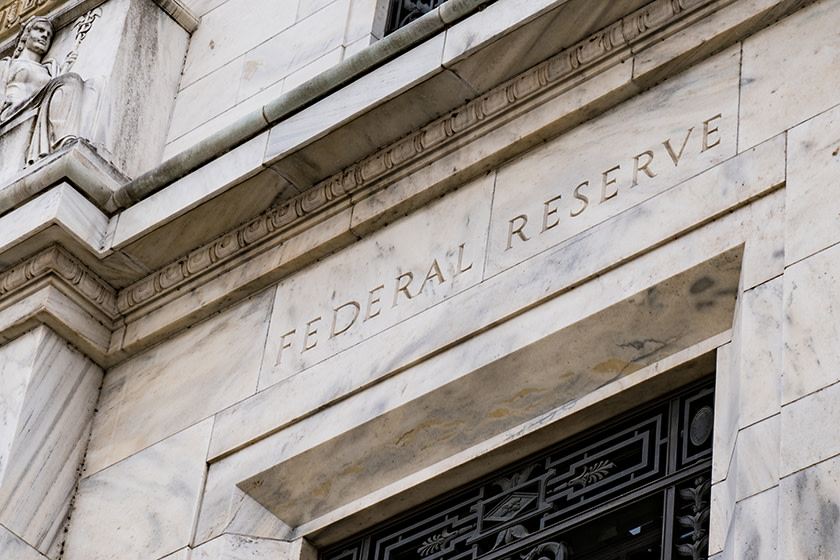
The Federal Reserve has received grand jury subpoenas from the Justice Department regarding Jerome Powell’s June congressional testimony about renovations at the Fed’s headquarters. Last year, it became apparent that the Trump administration viewed these renovations as a potential way to challenge Chair Powell. In a video statement last night, Powell emphasized that “the threat (…) is a consequence of the Federal Reserve setting interest rates based on our assessment of what will serve the public, rather than following the preferences of the President.” Meanwhile, Trump denied any knowledge of the investigation. A subpoena marks the beginning of an evidence-gathering process. This is an investigation, which may conclude without charges. If an indictment does occur, it will likely follow the precedent set by the Lisa Cook case, likely reaching the Supreme Court and taking considerable time.

Basis of the charges
Attorney General Pam Bondi has instructed various offices to investigate possible taxpayer abuse. The Fed’s renovation costs have increased from $1.9 billion in 2023 to $2.5 billion. In his June testimony, Powell attributed the overruns to higher costs for materials, equipment, and labour, as well as unforeseen issues like toxic contamination. They are not due to claimed extravagant features, like say, a golden ballroom. In July, the director of the Federal Housing Finance Administration accused Powell of lying during the hearing, suggesting this could be grounds for removal. Trump visited the renovation site and initially indicated this was not sufficient cause to fire Powell, but signalled late last year that he was considering a “gross incompetence” lawsuit related to the project. Overall, the charges appear highly political, and it seems unlikely that this investigation will find any damning evidence.
Implications for the Next Fed Chair
Powell has responded forcefully, calling the subpoena what it is. The timing suggests this may relate to his potential continued presence on the Fed’s board of governors after his term as Chair, which is crucial for Trump’s influence over the board. This situation increases pressure on Powell to step down.
This strategy might backfire in a couple of ways. First, Powell may become more defiant and stay on board because of this. Second, it makes the appointment of the next Chair a lot more difficult. Given this blatant attack on Fed independence any nominee will be even more clearly seen in this light. Accepting the role with these lawsuits ongoing implies accepting the loss of independence. Any potential chair that accepts the role is therefore immediately compromised. This may slightly improve the chances for an outsider like Kevin Warsh, who could be viewed as more independent.
The problem of succession in this context is widely shared. Republican Senator Thom Tillis, a member of the Senate Banking Committee, has said he would oppose confirming a new Fed Chair until the legal matter is resolved, although it’s not clear whether this view will persist over the coming months.
Impact on the Fed’s policy path
If anything, this challenge to the Fed’s independence could prompt the FOMC to take a slightly more hawkish stance to defend the institution. The latest labour market report can reasonably supports holding rates steady for now. Our base case remains a pause in January, followed by quarterly 25 basis point cuts starting in March. However, if the situation drags on, rate cuts may be delayed.